Stop Waiting. Apply to the GUE NextGen Scholarship.
A year ago, I almost missed one of the most interesting opportunities in diving — not because I wasn't interested, but because I simply didn't understand it properly. I thought I needed more experience, more connections,...
Field transcript
Dive notes and observations
A year ago, I almost missed one of the most interesting opportunities in diving — not because I wasn't interested, but because I simply didn't understand it properly.
I thought I needed more experience. More connections. A GUE instructor mentor. A clearer "perfect" project.
Today, I'm a GUE Technical Fundamentals diver, and I've realized something important:
Most divers don't miss opportunities because they aren't good enough. They miss them because they overthink what "good enough" means.
1. The Problem: You Don't See It Until You're Close to It
In France, where I started my diving journey, there aren't many GUE divers around. That lack of proximity matters more than people think.
I didn't have a strong network to ask:
- What exactly is the NextGen Scholarship?
- What kind of projects get selected?
- Do I even qualify?
So I built assumptions:
- I probably needed a GUE instructor already
- I wasn't "advanced enough"
- My project wasn't defined enough yet
- The competition was too strong anyway
The truth is, none of those assumptions were the real barrier.
The real missing piece was simple: clarity of vision.
2. What I Didn't Understand at the Time
Looking back, I underestimated how accessible the program actually is.
The technical requirements are not the hardest part. What matters much more is:
- Having a direction
- Having a project idea, even if incomplete
- Being able to explain what you want to do with diving
When I applied, I didn't yet have that clarity. I had interest, curiosity, and motivation — but not a structured vision.
And that is what cost me the strongest version of my application.
3. What the Scholarship Actually Selects For
After becoming part of the GUE Diver and observing selected divers, a pattern becomes very clear.
The NextGen Scholarship is not selecting a "type" of diver. It selects a trajectory.
Most selected divers already have a direction such as:
- Marine biology and conservation projects
- Scientific diving and environmental monitoring
- Cave exploration and speleology
- Underwater robotics and engineering
- Photography, documentation, and storytelling
- Education and outreach initiatives
For example:
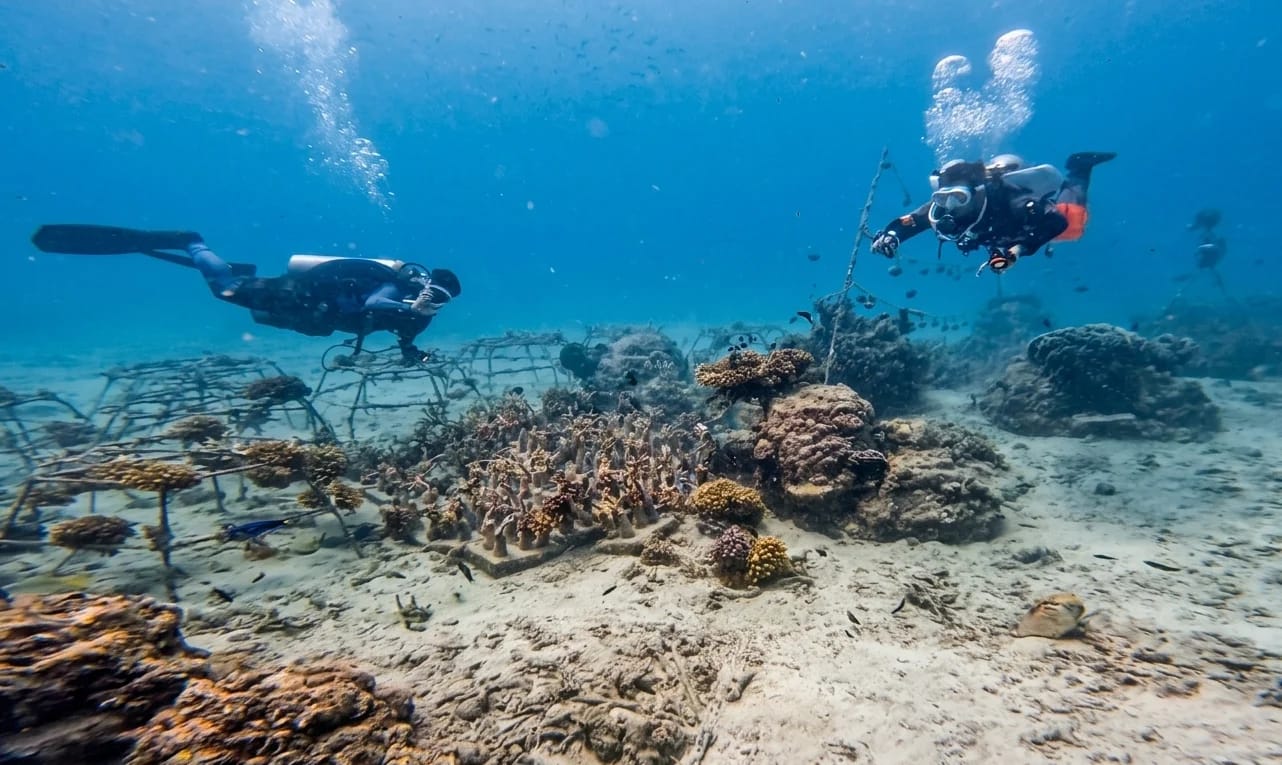
- Some aim to protect reef ecosystems through conservation projects
- Others build scientific frameworks or research workflows
- Some focus on documenting underwater environments using photogrammetry and visualization
- Others work on connecting communities to marine environments through education
What they all share is not skill level. It's clarity of intent applied to diving.
4. My Own Evolution: From "Diver" to "Project Thinking"
Over the past year, my perspective has shifted significantly.
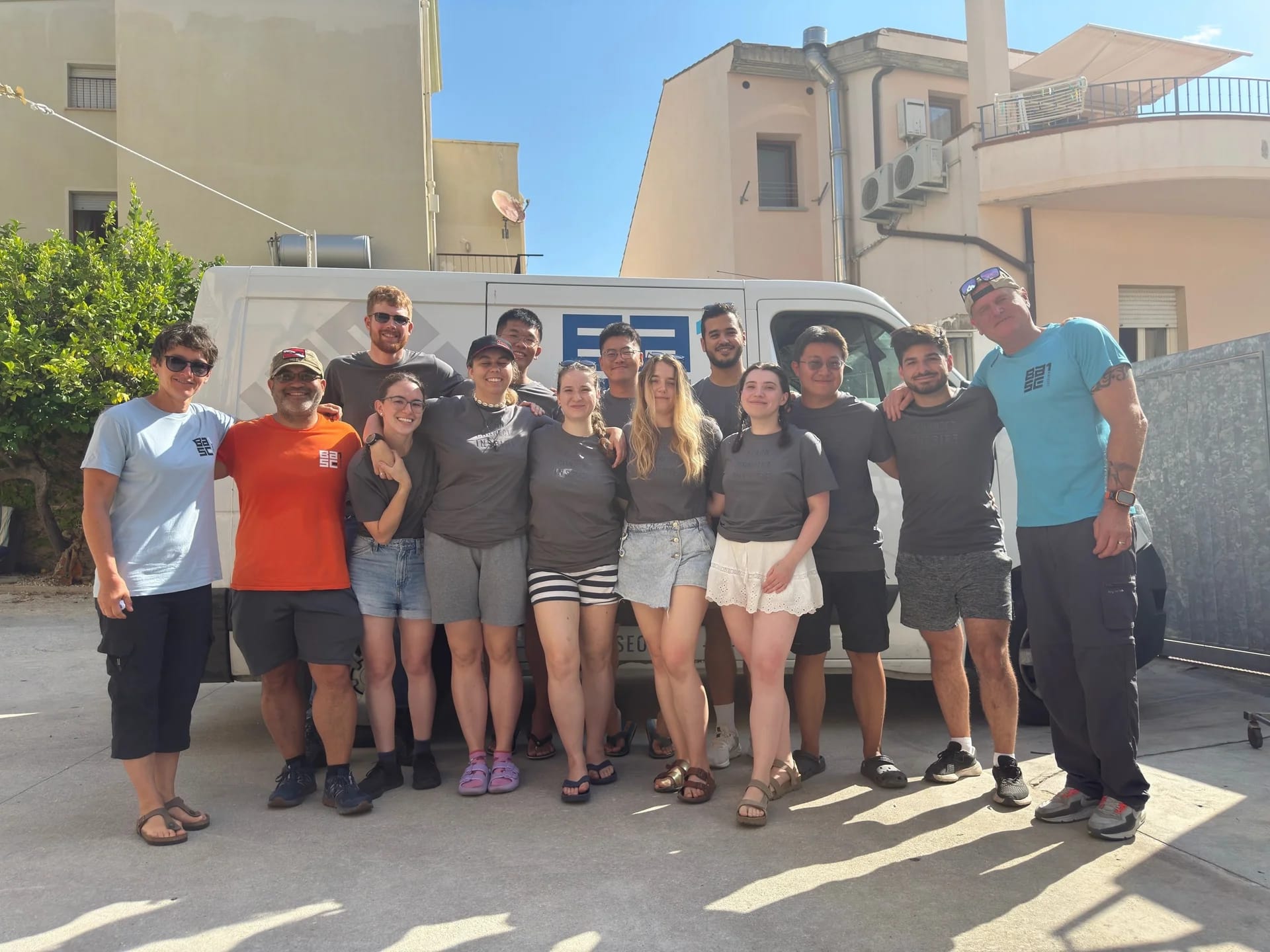
After meeting and having classes with Gemma Thomas and Gideon Liew other GUE divers, and participating in field projects like the Uncovering the Hidden Reefs Marine Park, Tioman Island, I started moving toward something more focused: photogrammetry.
This became the core direction I want to build around:
- Capturing underwater environments
- Building 3D models of wrecks and reefs
- Creating visual reconstructions of dive sites
But more importantly, expanding it beyond the technical layer:
- Documentation (video, articles, storytelling)
- VR experiences and immersive visualization
- Making underwater environments accessible on land
And eventually — even 3D printing wrecks or reef structures for education and museums.
The goal is no longer just diving. It is bringing the underwater world to the surface in meaningful ways.
5. The Reality Check: What Makes It Difficult
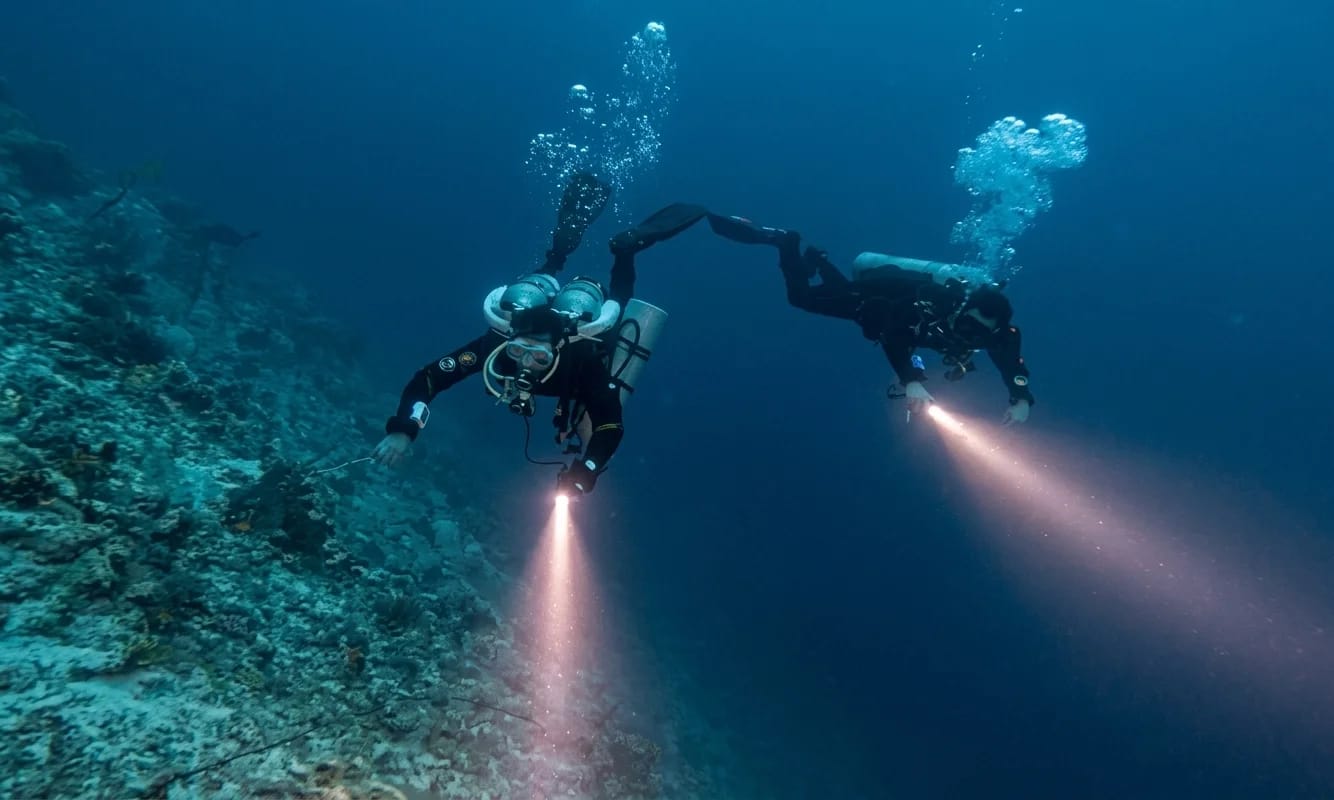
Photogrammetry underwater is not just a creative idea — it is technically demanding.
The real challenge is cognitive overload:
- You must maintain good buoyancy and trim
- You must manage camera positioning and capture strategy
- You must ensure overlap and consistency between images
- You must think about the model while still diving correctly
What happens in reality is simple:
- When I focus on capturing → my trim suffers
- When I focus on trim → my capture quality drops
- If I move too fast → images become blurry
This is where project diving becomes real: the theory is easy, execution is not.
And this is exactly where strong foundational diving skills become critical — they free mental bandwidth for the actual project.
6. What I Would Change If I Applied Again Today
If I were applying now, my focus would be much clearer. I would structure my training around three pillars:
Photogrammetry Training
To improve capture quality and understand workflow properly.
Documentation Training
To transform dives into stories:
- Video
- Articles
- Educational content
- Outreach materials
Technical Progression (Tech 1 or CCR Fundamentals)
To expand diving range:
- Deeper wreck access
- Longer bottom time
- Larger and more complex sites
Each course is not just a certification. It is a tool that unlocks a specific part of the project.
7. The Impact: Why This Actually Matters
If this kind of work succeeds over time, the impact goes far beyond diving.
Underwater heritage preservation Wrecks scanned and 3D printed for museums and education.
Immersive access to deep environments Using VR and digital reconstruction to let people experience dives they will never physically do.
Local marine conservation awareness Helping island communities understand the value of their underwater ecosystems and how to protect them.
The goal is not just to document the ocean. It is to make it visible, understandable, and valued.
8. The Real Advice: Stop Waiting to Be Ready
If there is one thing I would tell any diver under 30 thinking about applying, it is this:
Nobody is ready.
You don't need to be perfect. You don't need a complete project. You don't even need to be a GUE diver yet.
What you need is:
- A direction
- A willingness to apply
- The ability to improve over time
You can always reapply. You can always refine your project.
Some divers get selected on their first try. Others improve and come back stronger — like JIALING CAI GUE Nextgen Scolar 2026, who refined her application and succeeded later.
The process itself is part of the growth.
9. Final Message
Just apply.
There is nothing to lose.
At worst, you gain experience and feedback. At best, you enter a program that can completely change your trajectory in diving.
And if you need help, you're not alone — past scholars and the GUE community are often willing to share advice, experience, and guidance.
Stop waiting for readiness. Start building direction.
Just do it.
Keep reading